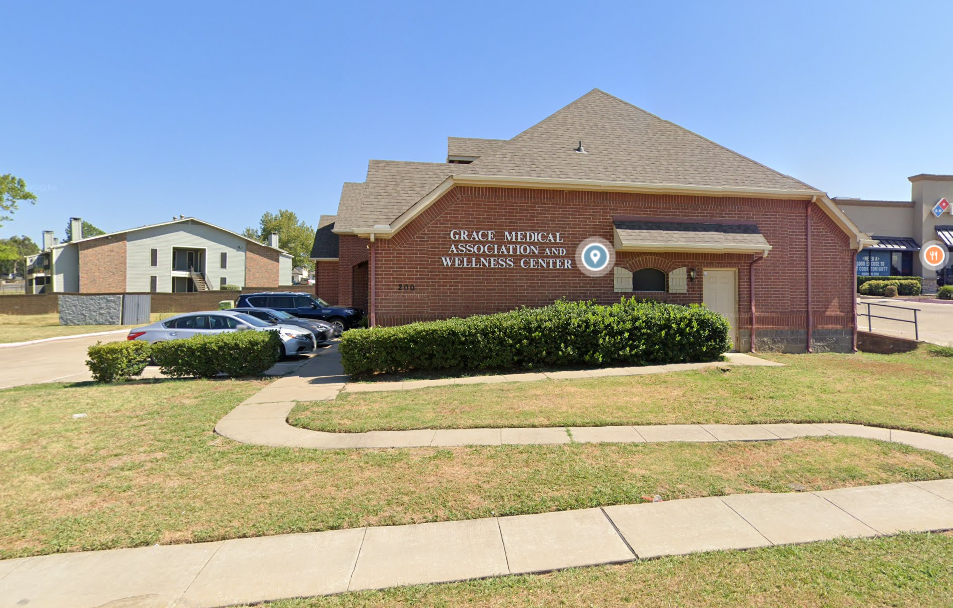
Grace Medical Association was founded by Dr. Smart Idemudia, M.D., Ph.D. with the goal of providing excellent medical care in a compassionate setting. Dr. Idemudia was trained in conventional science and medicine obtaining both the Master’s and Ph.D. degrees in Pharmacology from the University of Arkansas for Medical Sciences in Little Rock, Arkansas, and then the M.D. degree from the University of Texas Medical Branch in Galveston, Texas. Dr. Idemudia has practiced conventional medicine for more than 30 years and has seen that most conventional medicine treats symptoms and not the root causes of disease. This led him to search out ways to better treat his patients; to treat the root causes of diseases rather than the symptoms. A big part of this approach is prevention and restoration of the body to its natural balance, which will in turn, maintain good health and if there is disease present, equip the body with the power to heal itself. Therefore, the goal of Grace Medical Association is to keep our patients as healthy as possible. We know full well that drugs for the most part treat symptoms and even then at a high price in the form of side effects. We like to take a different approach. We still practice traditional medicine every day. We combine the latest advances in traditional medicine with the healing powers of natural products and alternative medicine and tailor them to the specific needs of the patient. This is what is called Integrative Medicine.